Sindh Rent Cases: Evidence of Tenancy, Rent and Business Premises
A practical guide to evidence commonly relevant in Sindh landlord-tenant disputes, including rent agreements, receipts, payment records, possession, notices and business-premises documents.
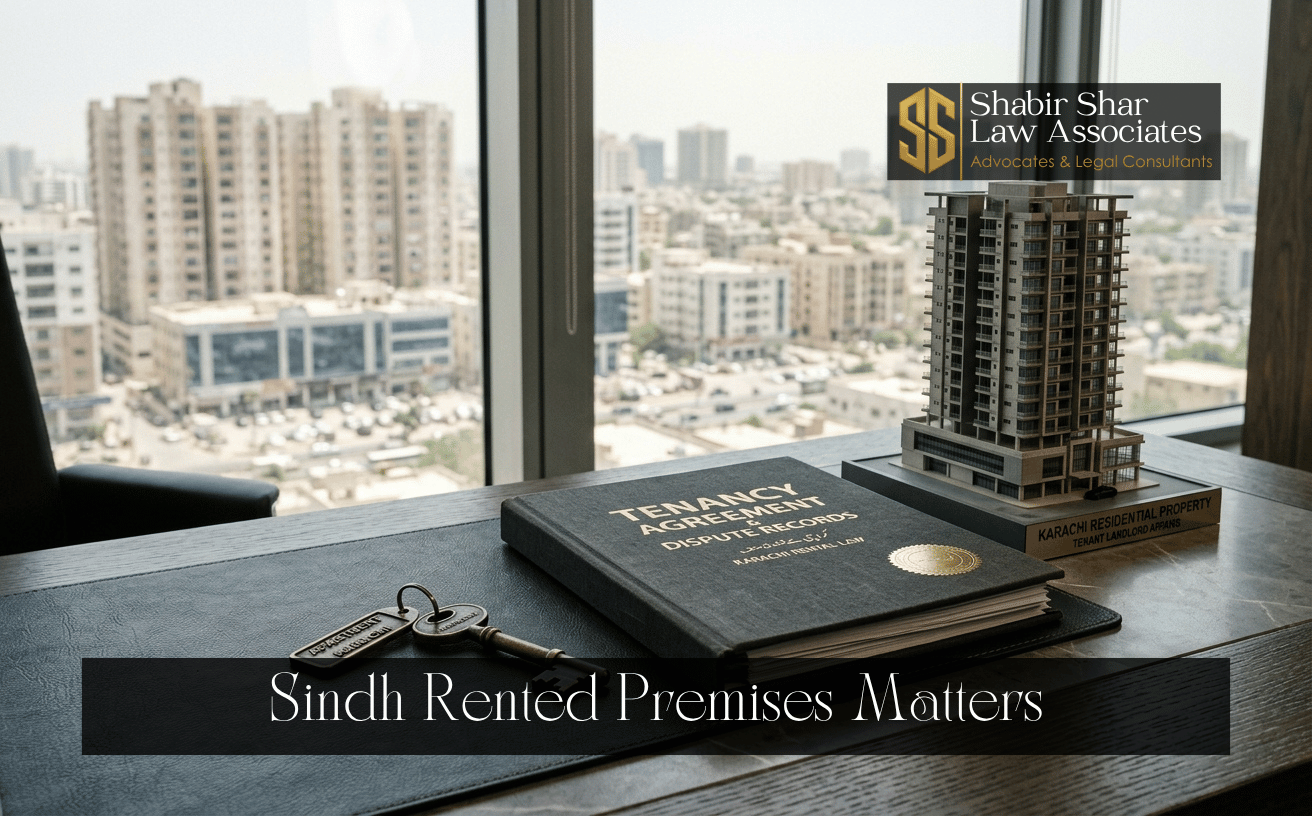
Rent disputes often become evidence disputes. A landlord and tenant may disagree not only about arrears, eviction or use of the premises, but also about whether a tenancy existed, what rent was agreed, who paid or received it, when possession began, and what documents relate to the premises.
In Sindh, many landlord-tenant matters involving rented premises are governed by the Sindh Rented Premises Ordinance, 1979. The correct remedy still depends on the facts and on whether the dispute actually falls within the statutory landlord-tenant framework.
For representation in Karachi, see the firm's Sindh rented-premises service.
Why Evidence of Tenancy Matters
Before deciding the merits of a rent dispute, the parties and court may need to understand the legal relationship between them. A written tenancy agreement can be important, but it should not be assumed that one document will answer every issue. Payment history, rent receipts, correspondence, possession and other records can become relevant depending on what is disputed.
The legal question is different from simple ownership. A person may own premises but still need to prove the landlord-tenant relationship, the terms on which possession was given and the statutory ground relied upon. Conversely, documents showing occupation of premises do not automatically establish ownership.
Documents Commonly Used to Show a Tenancy Relationship
Depending on the facts, useful records can include:
- a written rent or tenancy agreement;
- rent receipts or acknowledgements;
- bank transfers, deposit records or other payment evidence;
- letters, messages or notices referring to rent, tenancy terms or possession;
- renewal documents or correspondence about rent increases;
- utility or service records that help explain occupation or use of the premises; and
- business records showing the address from which a tenant operated.
The weight of each item depends on the issue being decided. A utility bill, for example, may help show occupation or use but does not by itself resolve every question of title or tenancy.
Evidence Relating to Ownership or Landlord Status
Where landlord status or ownership is disputed, documents may include registered instruments, title or allotment records, mutation or revenue material where relevant, property tax records, succession documents, powers of attorney, court orders or other records showing how the claimant says the right to let or recover the premises arose.
The exact document required depends on the property and the issue before the forum. A rent proceeding should not automatically be converted into a broad title case, but a genuine dispute about legal capacity or ownership may affect how the matter is pleaded and proved.
Business Premises Can Produce Additional Evidence
Where the rented premises are used for a shop, office or other business, additional records may help explain possession and use. These can include:
- business registration or tax records carrying the premises address;
- licences or permissions relating to the business location;
- invoices, letterhead or correspondence showing the operating address;
- utility or internet records maintained for the business; and
- photographs, inventories or inspection material relevant to possession or condition.
Such records should be treated as supporting evidence rather than as automatic proof of ownership. The question is what fact each document actually tends to establish.
Rent Payment and Arrears
Where arrears are alleged, a clear payment history can become central. Both parties should preserve receipts, bank statements, transfer confirmations, written demands and responses. If cash payments are alleged, the existence or absence of receipts and the surrounding conduct may become important factual issues.
A useful chronology lists the rent due, payments made, disputed months, any agreed increases and the dates of notices. This can make a complicated payment dispute easier to understand.
Notices and Correspondence
Notices can help establish what was demanded, when a complaint was raised and what position each party took before proceedings. The legal effect of a notice depends on the statutory provision, tenancy terms and remedy being pursued, so a generic notice template should not be treated as a substitute for reviewing the case.
Possession, Subletting and Change of Use
Some disputes concern who is actually in possession, whether another person has been allowed to occupy the premises, or whether the premises are being used in a manner said to differ from the tenancy arrangement. Depending on the case, photographs, inspection reports, business records, testimony, correspondence and official records may become relevant.
The evidence should be directed to the specific statutory or contractual issue rather than gathered without a clear purpose.
When a Broader Civil Suit May Be Needed
Not every dispute involving premises is only a rent case. If the real controversy concerns title, cancellation of an instrument, declaration of legal rights, possession outside a landlord-tenant relationship or another civil remedy, the correct proceeding may need to be assessed separately.
For general procedure, read our civil suit procedure guide. Where protective or declaratory relief is involved, see declaration and permanent injunction in Pakistan.
How to Organise Evidence Before a Rent Case
A practical evidence file can be arranged in date order with separate sections for:
- ownership or authority documents;
- tenancy agreements and renewals;
- rent payments and receipts;
- notices and replies;
- possession and use of the premises;
- business-address records where relevant; and
- previous proceedings or orders.
This makes it easier to identify missing periods, inconsistent dates and the facts that actually require proof.
Frequently Asked Questions
Is a written rent agreement the only evidence of tenancy?
No single answer applies to every dispute. A written agreement can be important, but receipts, payments, correspondence, possession and other surrounding records may also be relevant depending on the facts and legal issue.
Does a utility bill prove ownership?
Not by itself. A utility record may help show occupation, use or connection with an address, but ownership is ordinarily assessed from the legally relevant title and property records.
What if rent was paid in cash?
Receipts, acknowledgements, correspondence and the parties' broader payment history can become important. The factual record should be preserved as early as possible.
Are all property disputes decided under the Sindh Rented Premises Ordinance?
No. The correct forum depends on the legal relationship and relief sought. A broader title, declaration, cancellation or possession dispute may require a different civil proceeding.
Need Assistance With a Rent Matter in Karachi?
If a dispute concerns tenancy, arrears, possession, eviction, business premises or the documents proving the landlord-tenant relationship, collect the agreement, payment record, notices and property documents before filing. Review the firm's Sindh Rented Premises service or contact the Karachi office.
The firm publishes this guide as general legal information and identifies the legal framework and sources used where practical. A displayed review date is a content-review date; this page does not claim review by a named advocate unless that attribution is expressly shown. Matter-specific advice requires review of the current law, facts and documents.